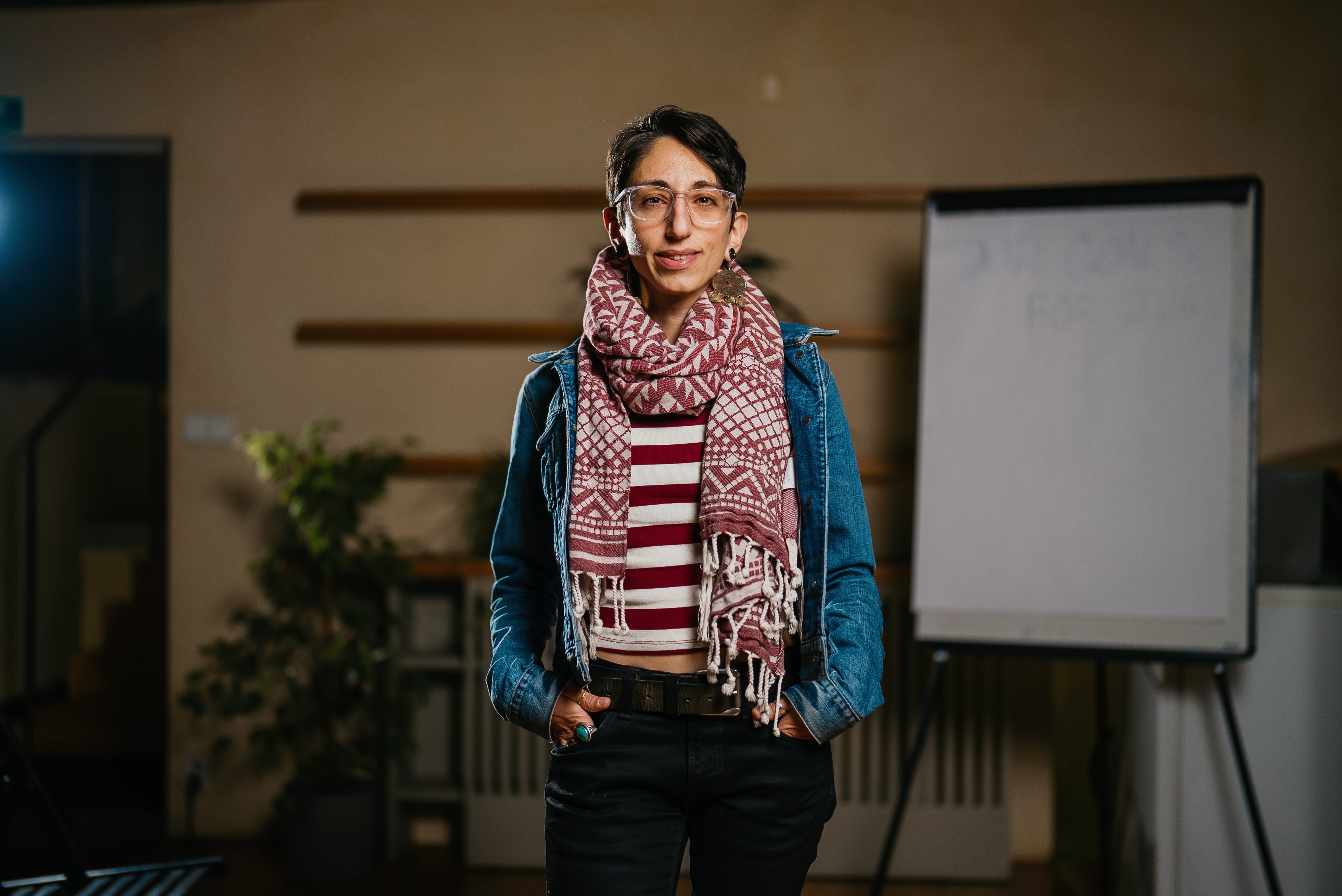
From the Big Apple, to the City of a Hundred Spires (by way of the Silver State and the Green Mountain State), I have taught nearly 500 students over ten years. I’ve been referred to as, “Ms. Stephanie”…“Ms. Parascandolo” … “Ms. P,” but now, I’m just “Stephanie” - a master’s student at University of South Bohemia in České Budějovice. Here are five lessons I’ve learned as a teacher that guide me as a student.
(All names of students are changed)
1. Write With AI (ahem, that is, with Academic Integrity)
Especially in the age of generative artificial intelligence, it’s easy to forget the value of honest work. But academic integrity allows you to sign your name to an exam, a project, and ultimately your thesis, with pride. During one project-based test, my Year 8 math students needed to explain a mathematical magic trick algebraically. (Want to try it out yourself? Click here). But as I was grading the exams, I noticed that something was … off. In her explanation, Katie used a (suspiciously) high-level word, and spelled it wrong. When I approached her privately, she denied cheating. But when I asked her to explain the meaning of the incongruous word, she couldn’t. Eventually she admitted - she had found an explanation of the problem on the internet, and used QuillBot to reword the paragraph. I saw this as a teachable moment, and together we worked-out the problem on the board. “Oh, that’s it…?” she asked. Katie’s reflex to rely on AI robbed her of an opportunity to think critically, it (almost) fooled me into thinking that she didn’t need help, and it contributed to her belief that she’s just “not a math person.”
Now, this is not to say that I think AI has no place in learning - right now I am studying for the Czech citizenship exam with the help of ChatGPT. (I’ve created a randomized set of questions from the bank of 300 - with zero html coding skills). But, there is a time and place.
Lesson: Have some AI, don’t misuse AI.
2. Plan for Long-Term Projects (AKA) “Sometimes I think about how much I still need to complete for my thesis, and I want to vomit.”
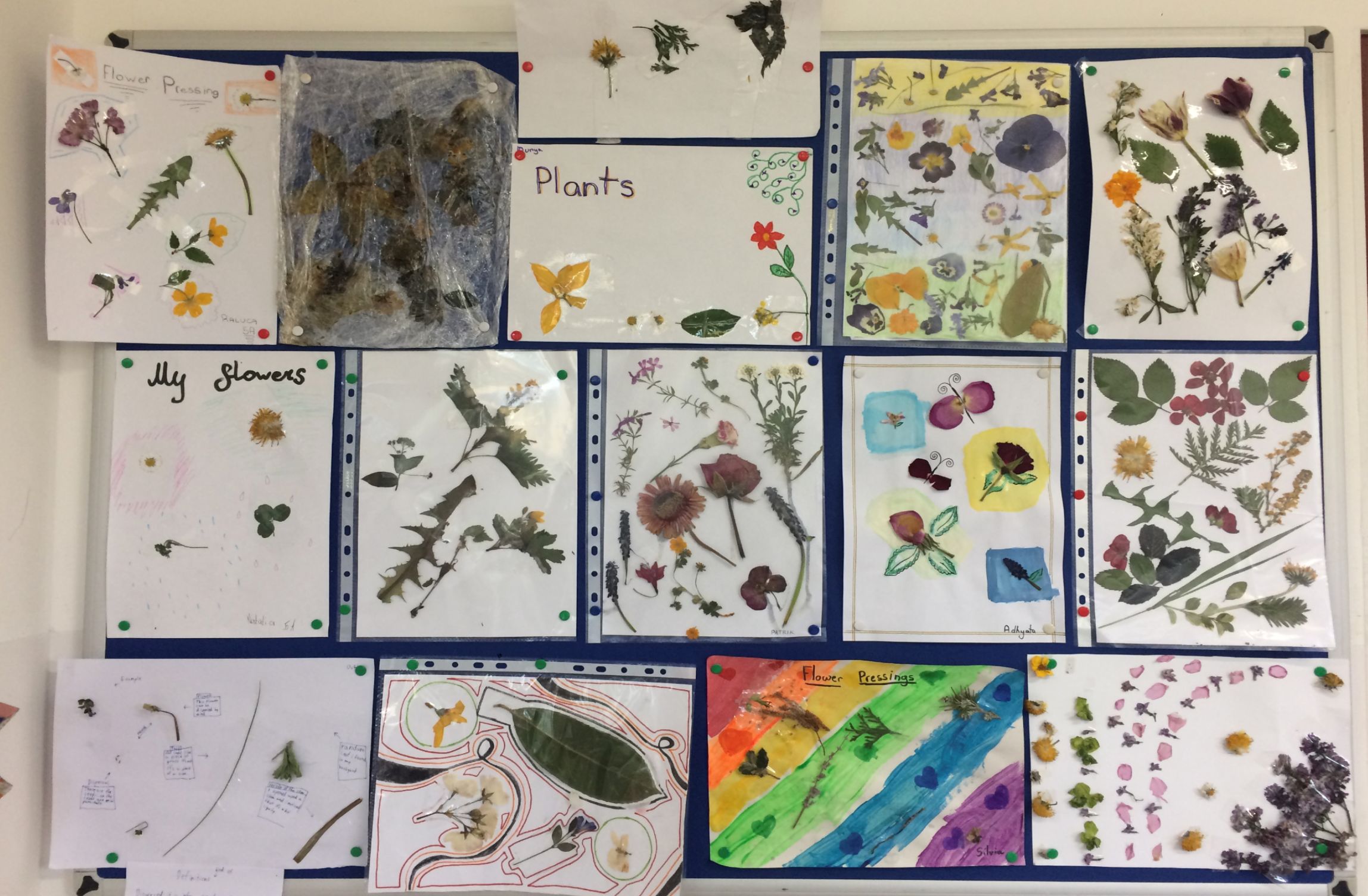
In one of my favorite assignments in the science curriculum, my Year 5 students needed to create a pressed flower display over the course of a month. For a ten year old, this was a complex project. To aid them in their time management, I gave them clear instructions and attainable targets - take a few hours for this step, a few weeks for that step, etc. But, every year, for five years, without fail, there would always be just one student who handed me a soggy, (sometimes moldy) display of freshly picked flowers. I could just imagine these students frantically picking flowers on their way to school that morning, maybe barging into the secretary’s office to ask for a plastic protector sheet, seconds before the bell rang.
I feel bad for these students. They missed out … on an opportunity to stroll through a local park on a warm spring day, on an opportunity to study the parts of a flower, on an opportunity to get creative. frustrated. messy. On an opportunity to submit their project with confidence.
As for myself, I’ve made a month-by-month progress tracker (to ease the aforementioned nausea). To do in February: write statistical code, analyze the data, write the results section.
Lesson: Don’t be like, Gail, or Aaron, or Nathaniel… or Suzanne, or Ian. Divide larger projects into manageable chunks, and then set realistic deadlines for these smaller pieces. Check back on your progress frequently, and ask for help if you need.
3. Make Some Friends
One year, I had a Year 5 student - let’s call her Katherine - whose natural speaking volume was three clicks from mute. She was intelligent and raised her hand often, but she was too shy to speak audibly. I used to tell her to “shout” at me. She would giggle. But she was also courageous, and she didn’t let her nervousness stop her from presenting at the front of the class (albeit with some support). Katherine would pick two friends, usually Emma and Caroline, and sandwich herself in-between them at the front of the room. And though those friends did nothing else but stand by her literal side, it was enough to encourage her.
[Shout out to Chris, my partner, and Jelle and Sonia for the shared laughs, innumerable cups of tea, and conversations about everything and nothing as we navigate our master’s program and internships together].
Lesson: Find an Emma. Find a Caroline.
4. Get Moving
I’ve had the privilege of teaching both in the United States, and in Czechia. Though the titles were similar - 5th Grade General Educator - the experiences could not have been more different. In Vermont, I was instructed to move from one lesson to another. Science blended into math, math blended into history. The kids itched to be out of their seats, but it was early in my career and I didn’t want to stir the pot. In contrast, in Prague, each lesson was divided by a ten minute break, delineated by a school-wide bell, and students were permitted to visit their friends in other classrooms. My students were focused and engaged. We laughed often.
Today, I take this lesson to heart. I have found the perfect hour-long walking route around Budějice to start (some) days.
Lesson: Especially if you’re feeling stuck, remember to move. Take a walk. Do a workout. Something.
5. Remember That You’re Only Human
Once, during some lesson, I made some mistake. The kids started oohing and aahing, laughing and shouting. In the noise, Marissa yelled out, “Guys, it’s okay, Ms Stephanie is only human!” This prompted another student to innocently ask, “Ms Stephanie is …human?” I burst out laughing. Yes, Trevor, I am indeed just a human.
Lesson: At the end of the day, if you’ve made a mistake, or if you haven’t met a deadline, just remember that you - like me - are only human.
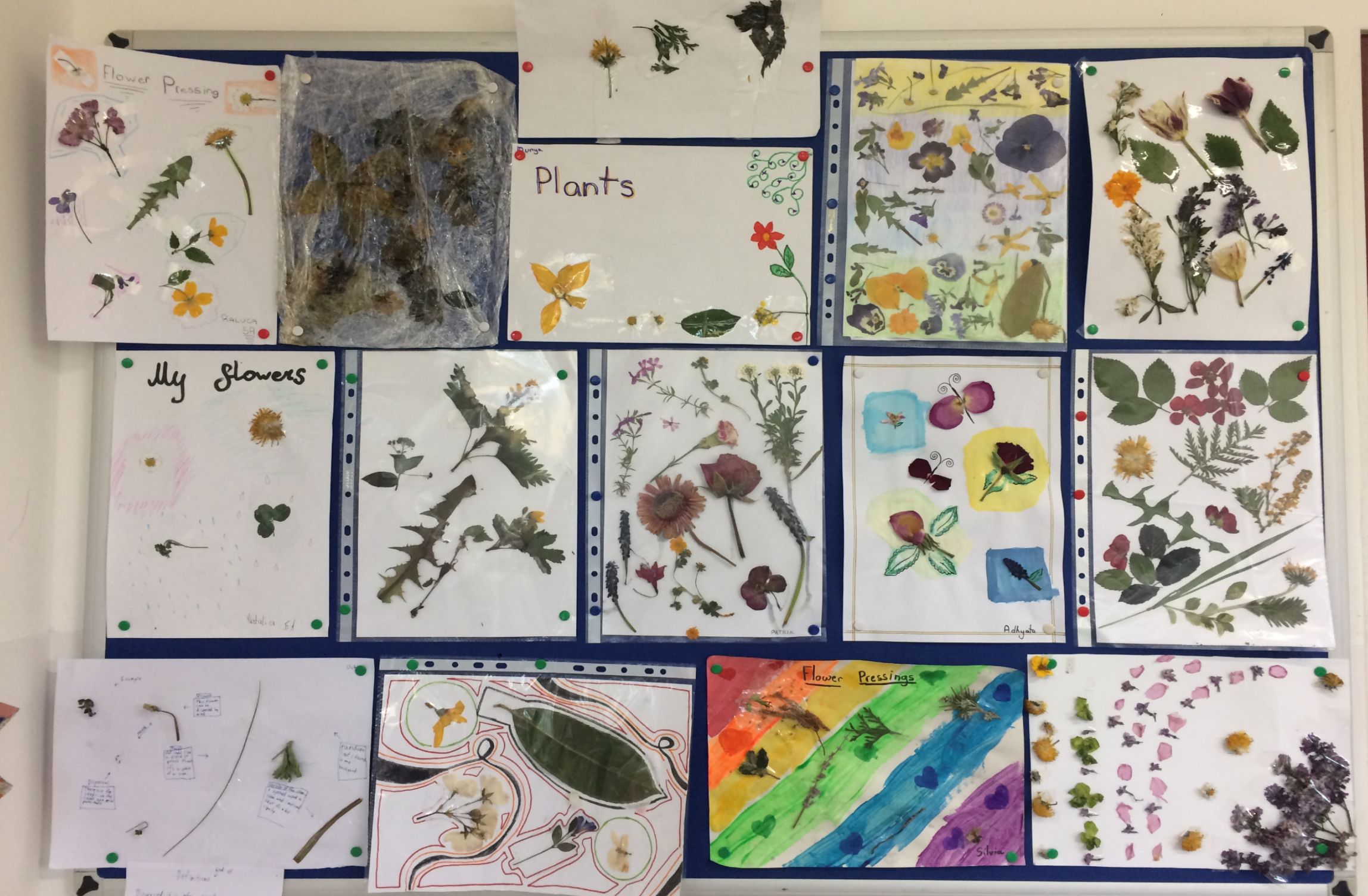
My students’ flower pressings.
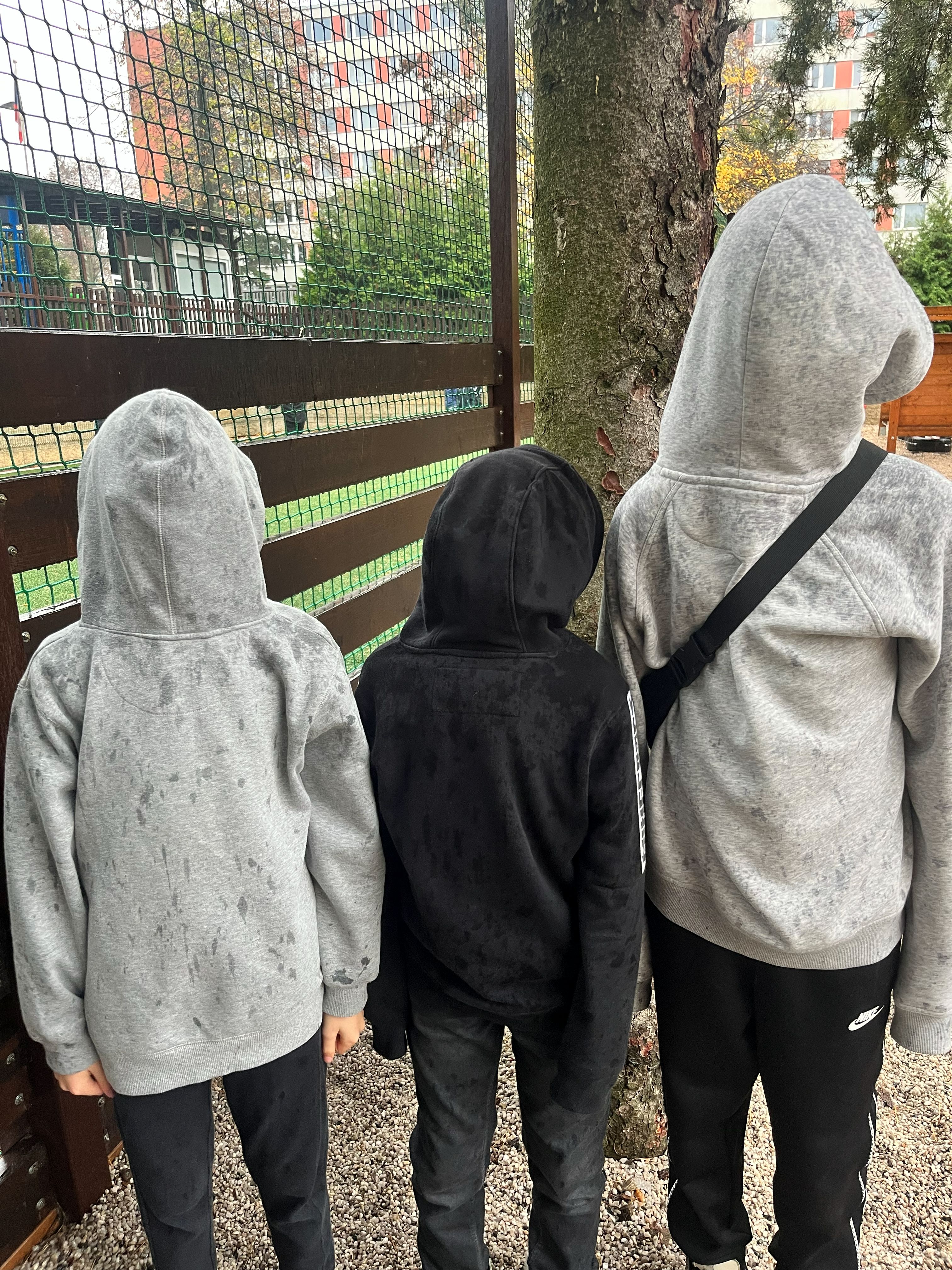
BFF shenanigans. (They’re all facing forward).
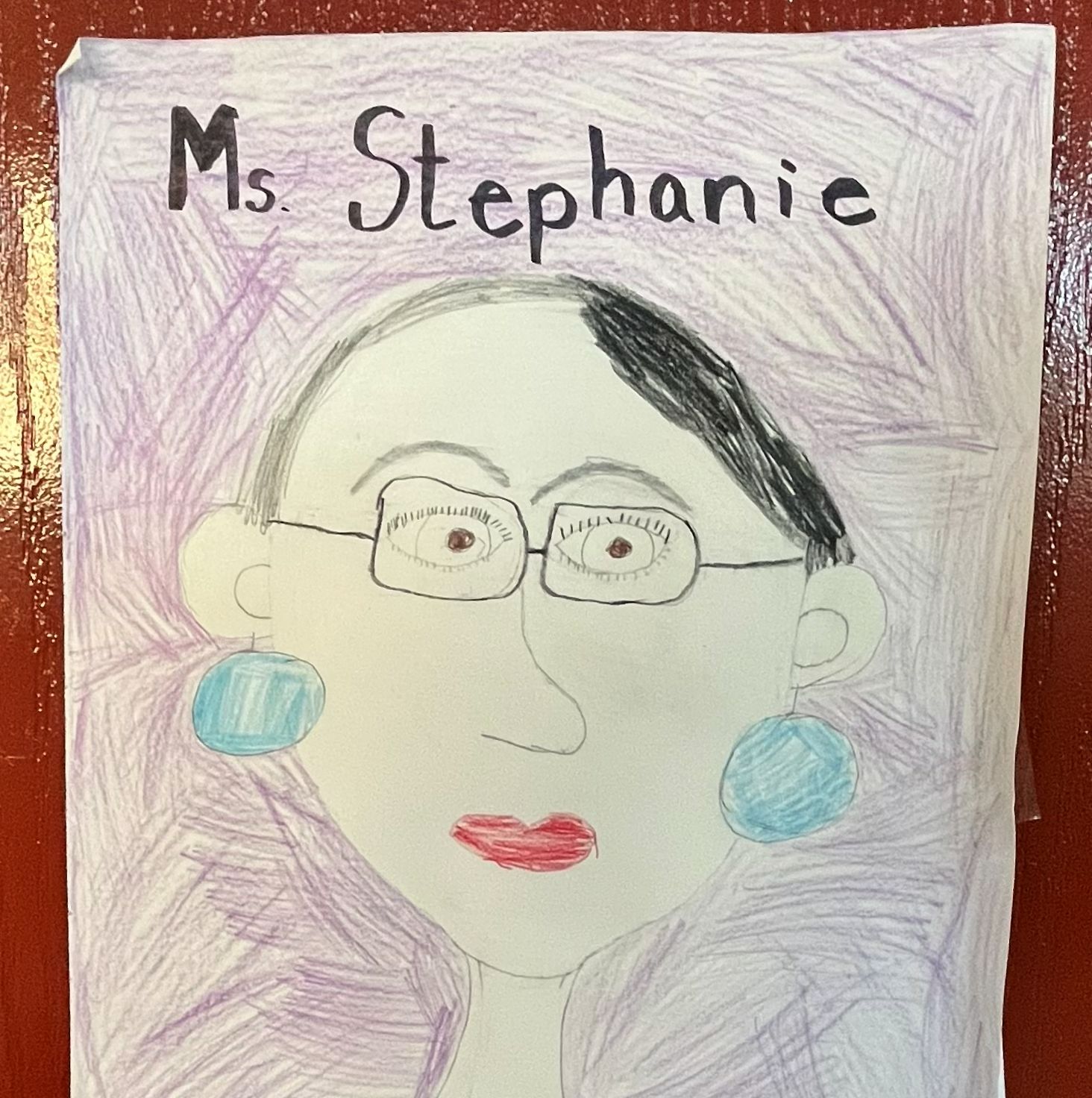
Portrait of me by a student. I’m only human after all.
 EN
EN