 EN
EN


Studijní program Information Technology
Kontakt:
E-mail studijni.fm@tul.cz
Technická univerzita v Liberci - Fakulta mechatroniky, informatiky a mezioborových studií
The aim of the programme is to train specialists in the design and development of software and hardware for data processing. Some graduates will go on to pursue doctoral programs at the Technical University of Liberec, particularly in the Technical Cybernetics program, or at other universities. Most graduates will find employment in software companies.
Apply online via the study agenda information system of the Technical University of Liberec (IS/STAG TUL). The online application form is available here: https://stag.tul.cz/portal/studium/uchazec/informace.html?pc_lang=cs
The programme trains experts in the theories, technologies, and methods used in computer and communication engineering, with a focus on modern programming techniques, database structures, signal processing, computer networks, and the design of hardware components for information systems. The study programme is divided into three specializations, among which applicants choose when submitting their application: Intelligent Systems Software Engineering Embedded Systems Graduates of the Intelligent Systems specialization will be able, in particular, to analyze problems and propose solutions using artificial intelligence and machine learning methods. They will thus understand the basic concepts and algorithms of machine learning, particularly those utilizing deep neural networks. Furthermore, they will be able to use tools for developing and testing intelligent systems for various applications, including, for example, computer vision, speech processing, process control, or text data mining. They will also be able to implement applications in these areas. Graduates of the Software Engineering specialization will be able, in particular, to analyze customer or user requirements and design the architecture of software systems, including their implementation for various platforms and environments. They will also be able to use a wide variety of tools for automated deployment, versioning, and software testing. At the same time, they will understand the basic concepts and procedures in software engineering, such as agile development, test-driven development, etc. They will also know how to design and implement software systems with regard to security or the possibility of cloud deployment. Graduates of the Embedded Systems specialization will have in-depth knowledge in the design, implementation, and testing of embedded systems, encompassing both hardware and software components. Specifically, they will be able to analyze requirements for an embedded system and design its architecture, including subsequent hardware and software implementation. Furthermore, they will understand electronic circuits and microcomputers, be able to programme them, and be capable of using tools for the development and testing of embedded systems for various applications. Graduates of these specializations are well-prepared for careers as programmers or managers in the fields of operating systems, information systems, and computer networks. For those interested in further study, it is recommended to continue in the doctoral programme “Technical Cybernetics.”
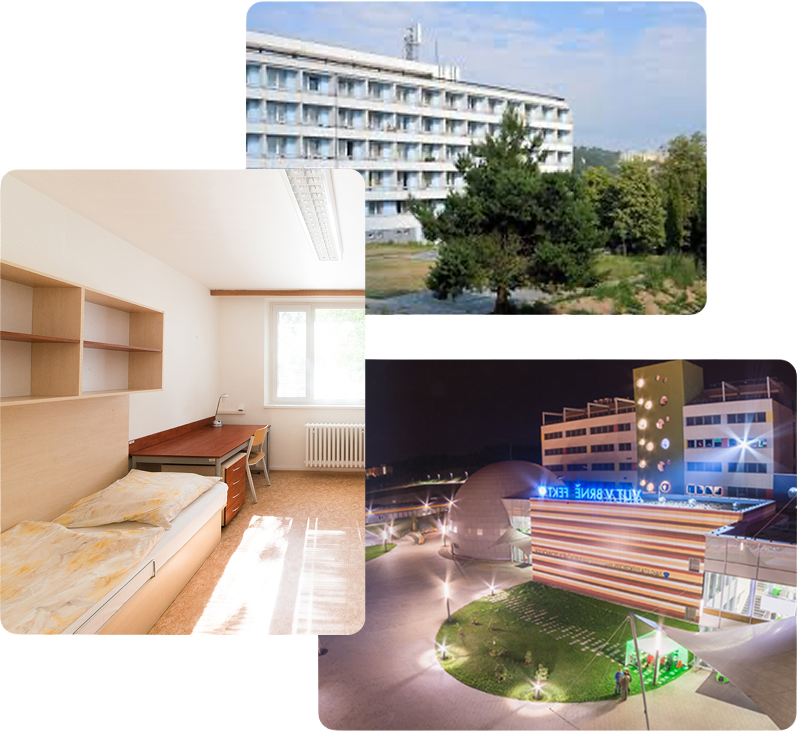
Technická univerzita v Liberci (TUL) je moderní veřejná vysoká škola s více než sedmdesátiletou tradicí. Propojuje technické, přírodovědné, ekonomické, pedagogické, zdravotnické a umělecké obory a staví na úzkém propojení vzdělávání, výzkumu a praxe. Získáš zázemí vysoké školy, která spolupracuje s průmyslovými partnery a podporuje inovace. Mezinárodně uznávané jsou zejména její výsledky ve výzkumu nanomateriálů, pokročilých technologií, strojírenství, mechatroniky a udržitelného rozvoje. Studovat budeš v Liberci, městě obklopeném přírodou s dobrými možnostmi pro sport i volný čas. TUL nabízí moderní zázemí, individuální přístup, přátelské univerzitní prostředí, mezinárodní spolupráci, studijní pobyty a možnost zapojit se do výzkumných projektů už během studia.
E-mail studijni.fm@tul.cz
Studentská 1402/2, 46117 Liberec
Telefon
The aim of the programme is to train specialists in the design and development of software and hardware for data processing. Some graduates will go on to pursue doctoral programs at the Technical University of Liberec, particularly in the Technical Cybernetics program, or at other universities. Most graduates will find employment in software companies.
Apply online via the study agenda information system of the Technical University of Liberec (IS/STAG TUL). The online application form is available here: https://stag.tul.cz/portal/studium/uchazec/informace.html?pc_lang=cs
The programme trains experts in the theories, technologies, and methods used in computer and communication engineering, with a focus on modern programming techniques, database structures, signal processing, computer networks, and the design of hardware components for information systems. The study programme is divided into three specializations, among which applicants choose when submitting their application: Intelligent Systems Software Engineering Embedded Systems Graduates of the Intelligent Systems specialization will be able, in particular, to analyze problems and propose solutions using artificial intelligence and machine learning methods. They will thus understand the basic concepts and algorithms of machine learning, particularly those utilizing deep neural networks. Furthermore, they will be able to use tools for developing and testing intelligent systems for various applications, including, for example, computer vision, speech processing, process control, or text data mining. They will also be able to implement applications in these areas. Graduates of the Software Engineering specialization will be able, in particular, to analyze customer or user requirements and design the architecture of software systems, including their implementation for various platforms and environments. They will also be able to use a wide variety of tools for automated deployment, versioning, and software testing. At the same time, they will understand the basic concepts and procedures in software engineering, such as agile development, test-driven development, etc. They will also know how to design and implement software systems with regard to security or the possibility of cloud deployment. Graduates of the Embedded Systems specialization will have in-depth knowledge in the design, implementation, and testing of embedded systems, encompassing both hardware and software components. Specifically, they will be able to analyze requirements for an embedded system and design its architecture, including subsequent hardware and software implementation. Furthermore, they will understand electronic circuits and microcomputers, be able to programme them, and be capable of using tools for the development and testing of embedded systems for various applications. Graduates of these specializations are well-prepared for careers as programmers or managers in the fields of operating systems, information systems, and computer networks. For those interested in further study, it is recommended to continue in the doctoral programme “Technical Cybernetics.”
Technická univerzita v Liberci (TUL) je moderní veřejná vysoká škola s více než sedmdesátiletou tradicí. Propojuje technické, přírodovědné, ekonomické, pedagogické, zdravotnické a umělecké obory a staví na úzkém propojení vzdělávání, výzkumu a praxe. Získáš zázemí vysoké školy, která spolupracuje s průmyslovými partnery a podporuje inovace. Mezinárodně uznávané jsou zejména její výsledky ve výzkumu nanomateriálů, pokročilých technologií, strojírenství, mechatroniky a udržitelného rozvoje. Studovat budeš v Liberci, městě obklopeném přírodou s dobrými možnostmi pro sport i volný čas. TUL nabízí moderní zázemí, individuální přístup, přátelské univerzitní prostředí, mezinárodní spolupráci, studijní pobyty a možnost zapojit se do výzkumných projektů už během studia.
E-mail studijni.fm@tul.cz
Studentská 1402/2, 46117 Liberec
Telefon
Prozkoumejte nabídku podobných programů