 CS
CS


Study program Anthropology
Contact:
E-mail program-24029@mail.muni.cz
Masaryk University - Faculty of Science
Apply at https://is.muni.cz/prihlaska/?lang=en. Choose from the list of currently available degree programmes.
Graduates of a doctoral degree program Anthropology are qualified to work especially in research anthropology-oriented institutes and workplaces or as specialists, research team leaders, lecturers. They are authorized to conduct independent scientific and research activities in basic and applied research focusing on anthropology, human biology and forensic science. In the most broader sense, they are considered qualified for any kind of scientific work, that is dealing with conceptual issues, participating in and managing scientific research activities, and teaching.
Tuition fee is 3000 EUR per academic year.
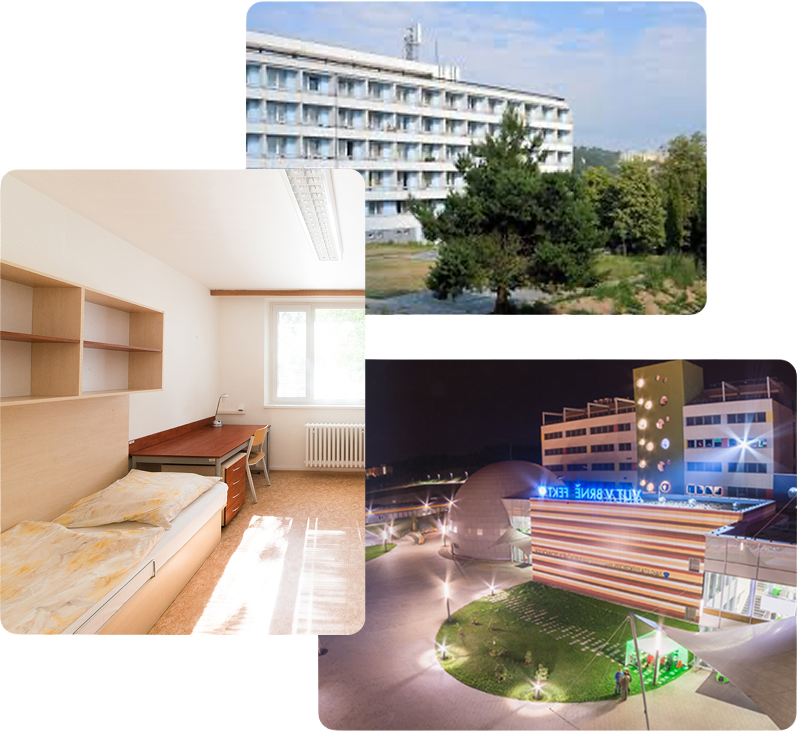
Masaryk University (MUNI) is a public higher education institution in Brno, founded in 1919 as the second Czech university. It has long been one of the largest and most prominent educational and research institutions in Czechia. Across ten faculties and more than 200 departments, you can choose from a wide range of study programmes, from humanities and social sciences to natural sciences, medicine and informatics. MUNI creates and shares knowledge, develops education and research, and contributes to society and quality of life. It also focuses on social responsibility and sustainable development, reflected in its education, research and day-to-day operations.
E-mail program-24029@mail.muni.cz
Žerotínovo nám. 617/9, 60177 Brno
Kotlářská , 611 37 Brno
E-mail info@sci.muni.cz
Phone +420 549 495 201
Apply at https://is.muni.cz/prihlaska/?lang=en. Choose from the list of currently available degree programmes.
Graduates of a doctoral degree program Anthropology are qualified to work especially in research anthropology-oriented institutes and workplaces or as specialists, research team leaders, lecturers. They are authorized to conduct independent scientific and research activities in basic and applied research focusing on anthropology, human biology and forensic science. In the most broader sense, they are considered qualified for any kind of scientific work, that is dealing with conceptual issues, participating in and managing scientific research activities, and teaching.
Tuition fee is 3000 EUR per academic year.
Masaryk University (MUNI) is a public higher education institution in Brno, founded in 1919 as the second Czech university. It has long been one of the largest and most prominent educational and research institutions in Czechia. Across ten faculties and more than 200 departments, you can choose from a wide range of study programmes, from humanities and social sciences to natural sciences, medicine and informatics. MUNI creates and shares knowledge, develops education and research, and contributes to society and quality of life. It also focuses on social responsibility and sustainable development, reflected in its education, research and day-to-day operations.
E-mail program-24029@mail.muni.cz
Žerotínovo nám. 617/9, 60177 Brno
Kotlářská , 611 37 Brno
E-mail info@sci.muni.cz
Phone +420 549 495 201
Check out this institution's offerings
Explore similar programs' offerings