 CS
CS


Study program Public and Social Policy and Human Resources
Contact:
E-mail program-23317@mail.muni.cz
Masaryk University - Faculty of Social Studies
Apply at https://is.muni.cz/prihlaska/?lang=en. Choose from the list of currently available degree programmes.
Graduates of the subsequent regular and distance Master's degree programmes can apply their skills especially in the following areas: - the role of a conceptual worker in the design and implementation of public and social policy programs, social services and social work, employment policy and human resources development strategies, - the role of coordinator in the design and implementation of public and social policy programs, social services and social work, employment policy and human resources development, - the role of researcher, - the role of a teacher in disciplines in the fields of public and social policy, social services, employment policy and human resources development, - possibly other types of roles, depending on the employer's needs (e.g. speakers, advisors on public and social policy, social services, employment policy and human resources development). These roles can be applied by graduates of the subsequent distance studies master's degree program in PSPHR in the following fields and organizations: - in state administration and self-government organizations dealing with the administration of benefits systems, socio-legal protection, social services and other public policy areas (MLSA, regional and municipal authorities, municipalities, the Agency for Social Inclusion, and other public service bodies in this area), - at Labour Offices, in the labour market (including private agencies), - in state administration and self-government organizations dealing with the administration of benefits systems, - in non-profit organizations in the field of social policy and social services, and social work services of all levels (e.g. NGOs such as Člověk v tísni (People in Need), SOZE, Naděje, Diakonie, Charita), - in consultative bodies of state and non-profit organizations (including legislative bodies and regional government) involved in the design and implementation of public and social policy programs, social services, employment policy and human resources development, - in research at universities and research institutes, - in the teaching of PSPHR at university, higher vocational college and secondary school (after the completion of the pedagogical minimum), - as specialists or advisers on various social problems and social interventions and human resources development in the media (press, radio, television); or as a spokesperson for organizations that focus on social policy, social services and social work (e.g. MLSA, Charity, Probation and Mediation Service, endowment funds), - personnel departments and departments dealing with human resources or applying social programs for their employees, in various types of governmental and non-governmental organizations dealing with public policy and/or human resources development (their personnel departments, municipalities, city administration, Diaconia, Charity, etc.), - in trans-national organizations dealing with addressing social problems, social inclusion, or providing social assistance (e.g. those of the European Commission, trans-national non-profit organizations, trade unions, agencies), - organizations that include among their objectives the systematic cooperation of different organizations in solving social problems (e.g. organizations aimed at helping multi-problem clients, community or volunteer centres; government, regional and municipal inter-departmental committees).
Tuition fee is 3000 EUR per academic year.
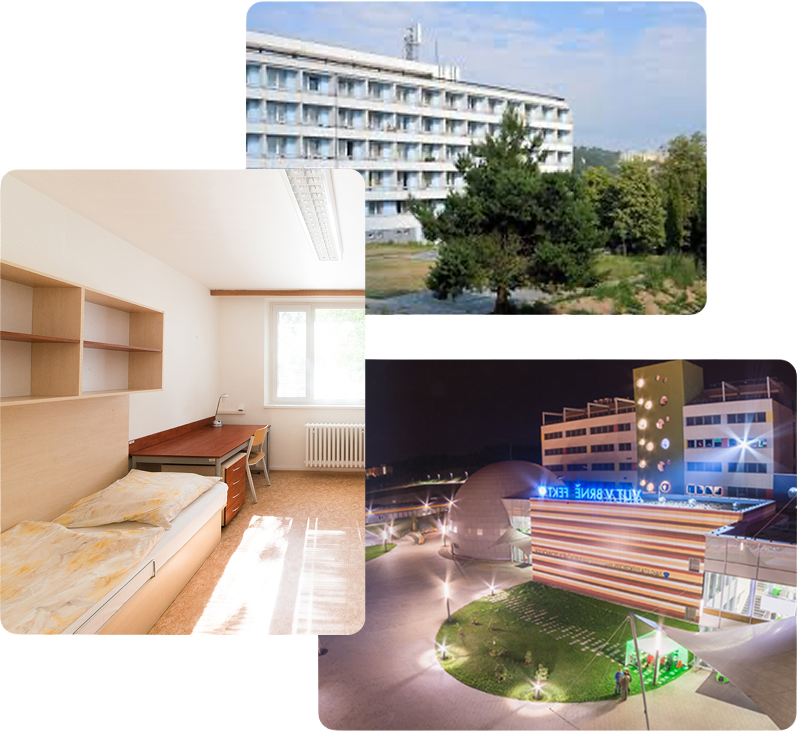
Masaryk University (MUNI) is a public higher education institution in Brno, founded in 1919 as the second Czech university. It has long been one of the largest and most prominent educational and research institutions in Czechia. Across ten faculties and more than 200 departments, you can choose from a wide range of study programmes, from humanities and social sciences to natural sciences, medicine and informatics. MUNI creates and shares knowledge, develops education and research, and contributes to society and quality of life. It also focuses on social responsibility and sustainable development, reflected in its education, research and day-to-day operations.
E-mail program-23317@mail.muni.cz
Žerotínovo nám. 617/9, 60177 Brno
Joštova, 602 00 Brno
E-mail info@fss.muni.cz
Phone +420 549 49 1911
Apply at https://is.muni.cz/prihlaska/?lang=en. Choose from the list of currently available degree programmes.
Graduates of the subsequent regular and distance Master's degree programmes can apply their skills especially in the following areas: - the role of a conceptual worker in the design and implementation of public and social policy programs, social services and social work, employment policy and human resources development strategies, - the role of coordinator in the design and implementation of public and social policy programs, social services and social work, employment policy and human resources development, - the role of researcher, - the role of a teacher in disciplines in the fields of public and social policy, social services, employment policy and human resources development, - possibly other types of roles, depending on the employer's needs (e.g. speakers, advisors on public and social policy, social services, employment policy and human resources development). These roles can be applied by graduates of the subsequent distance studies master's degree program in PSPHR in the following fields and organizations: - in state administration and self-government organizations dealing with the administration of benefits systems, socio-legal protection, social services and other public policy areas (MLSA, regional and municipal authorities, municipalities, the Agency for Social Inclusion, and other public service bodies in this area), - at Labour Offices, in the labour market (including private agencies), - in state administration and self-government organizations dealing with the administration of benefits systems, - in non-profit organizations in the field of social policy and social services, and social work services of all levels (e.g. NGOs such as Člověk v tísni (People in Need), SOZE, Naděje, Diakonie, Charita), - in consultative bodies of state and non-profit organizations (including legislative bodies and regional government) involved in the design and implementation of public and social policy programs, social services, employment policy and human resources development, - in research at universities and research institutes, - in the teaching of PSPHR at university, higher vocational college and secondary school (after the completion of the pedagogical minimum), - as specialists or advisers on various social problems and social interventions and human resources development in the media (press, radio, television); or as a spokesperson for organizations that focus on social policy, social services and social work (e.g. MLSA, Charity, Probation and Mediation Service, endowment funds), - personnel departments and departments dealing with human resources or applying social programs for their employees, in various types of governmental and non-governmental organizations dealing with public policy and/or human resources development (their personnel departments, municipalities, city administration, Diaconia, Charity, etc.), - in trans-national organizations dealing with addressing social problems, social inclusion, or providing social assistance (e.g. those of the European Commission, trans-national non-profit organizations, trade unions, agencies), - organizations that include among their objectives the systematic cooperation of different organizations in solving social problems (e.g. organizations aimed at helping multi-problem clients, community or volunteer centres; government, regional and municipal inter-departmental committees).
Tuition fee is 3000 EUR per academic year.
Masaryk University (MUNI) is a public higher education institution in Brno, founded in 1919 as the second Czech university. It has long been one of the largest and most prominent educational and research institutions in Czechia. Across ten faculties and more than 200 departments, you can choose from a wide range of study programmes, from humanities and social sciences to natural sciences, medicine and informatics. MUNI creates and shares knowledge, develops education and research, and contributes to society and quality of life. It also focuses on social responsibility and sustainable development, reflected in its education, research and day-to-day operations.
E-mail program-23317@mail.muni.cz
Žerotínovo nám. 617/9, 60177 Brno
Joštova, 602 00 Brno
E-mail info@fss.muni.cz
Phone +420 549 49 1911
Check out this institution's offerings
Explore similar programs' offerings