 CS
CS


Why Czechia
Czechia offers high-quality higher education, a safe environment, a central European location and a growing international student community.
Czechia offers high-quality higher education, a safe environment, a central European location and a growing international student community. You can choose from more than 1,000 degree programmes in English, learn Czech and study tuition-free at public universities, gain work experience during your studies and stay connected after graduation through Czechia Alumni.
Czechia in numbers
- around 55,000 international degree students study at Czech higher education institutions (Czech Higher Education, DZS / Ministry of Education, Youth and Sports, 2023 data)
- 18% of all university students in Czechia are international students (Czech Higher Education, DZS / Ministry of Education, Youth and Sports, 2023 data)
- more than 1,000 degree programmes are offered in English (Czech Higher Education, DZS / Ministry of Education, Youth and Sports, 2023 data)
- 9 out of 10 international students would recommend studying in Czechia (DZS International Student Survey 2023)
- 85% of international students would choose Czechia again (DZS International Student Survey 2023)
- 77% feel their programme is connected to real-life practice (DZS International Student Survey 2023)
- 48% plan to stay in Czechia after graduation for work or further study (DZS International Student Survey 2023)
- 8 Czech universities are ranked among the global top 1000 in QS World University Rankings 2026, with 3 in the top 500 (QS World University Rankings 2026)
High-quality education at a sensible cost
Czechia combines academic tradition, recognised degrees and good value for money. You can study at established universities, technical institutions, arts academies and specialised higher education institutions across the country. International students rate Czech higher education positively. According to the research at Czech universities in 2024, 9 out of 10 international students consider their degree programme to be high quality. Czech universities are also visible in international rankings. In QS World University Rankings 2026, 8 Czech universities are ranked among the global top 1000, with Charles University, Czech Technical University in Prague and Masaryk University in the global top 500.
Research, innovation and unique study opportunities
Czech universities are active in research and international cooperation. Czech higher education has visible strengths in fields such as biomedical and materials science, laser systems, energy research, complex mathematical modelling, nanofibres and medical research. You can also find unique study and research opportunities, from university laboratories and international projects to fieldwork, creative disciplines and exchange programmes.

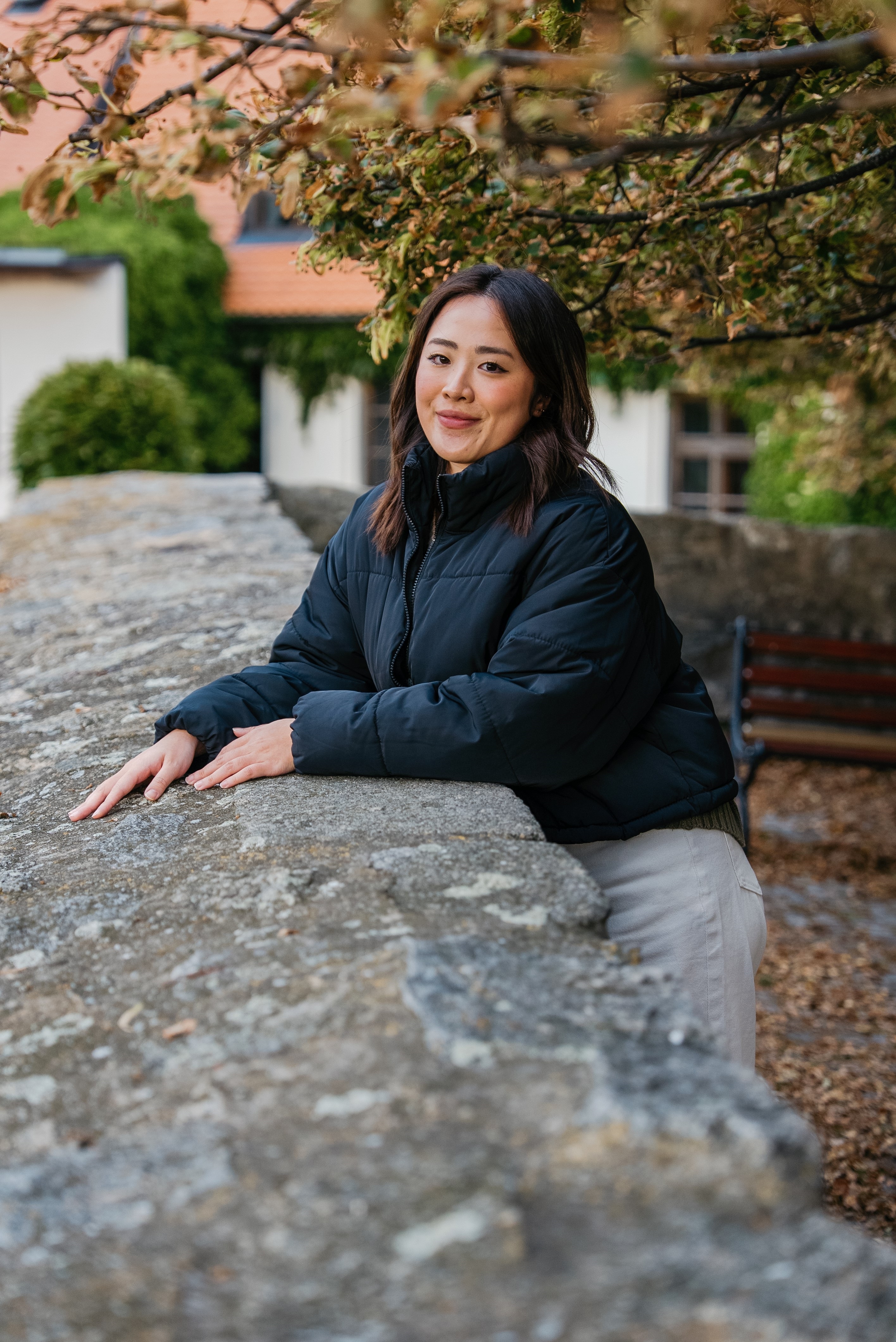
Sharon
Masaryk University
I chose Czechia because of the international exposure, safety, and affordability. I didn't want to compromise on the quality of my education or personal security, and my experience proves that Czechia is the right decision.

Find Your Programme
1,000+ programmes in English
You do not need to speak Czech to start your studies. Czech higher education institutions offer more than 1,000 accredited degree programmes in English and other foreign languages. Typical tuition fees for foreign-language degree programmes are:
- 0–6,000 EUR per year for most programmes
- 8,500–19,000 EUR per year for medicine, arts and some specialised fields

Learn Czech and study tuition-free
If you study in Czech at a public or state higher education institution, your tuition is free, regardless of nationality. This path can also give you access to a wider range of programmes and help you integrate into local life and the labour market. You do not need to be fluent in Czech from the beginning. Many universities and language centres offer Czech language courses or foundation programmes that can help you prepare for Czech-taught degree studies.
Learn Czech and Study Tuition-Free
Fields where Czech universities stand out
Czech higher education institutions offer programmes across all major fields. International subject rankings can help you see where Czech universities are visible globally. According to QS World University Rankings by Subject 2026, Czech universities perform well in several areas, including:
- Agriculture & Forestry – Czech University of Life Sciences Prague is ranked joint 58th.
- Engineering & Technology – Czech Technical University in Prague is ranked joint 198th and Brno University of Technology joint 228th.
- Medicine – Charles University is ranked joint 146th, with other Czech universities also represented.
- Materials Sciences – Brno University of Technology appears in the 151–200 band.
- Arts & Humanities – Charles University is ranked joint 114th and Masaryk University joint 301st.
- Economics & Econometrics – Charles University is ranked 177th and Prague University of Economics and Business appears in the 301–350 band.
Strong international student community
Czechia is home to a large and diverse international student community. International students make up about 18% of all university students, so you can expect an international perspective in classrooms, dormitories, student clubs and university cities. According to the research at Czech universities in 2024, 84% of international students feel integrated among other international students, and 75% describe the local community as welcoming to the needs of international students.
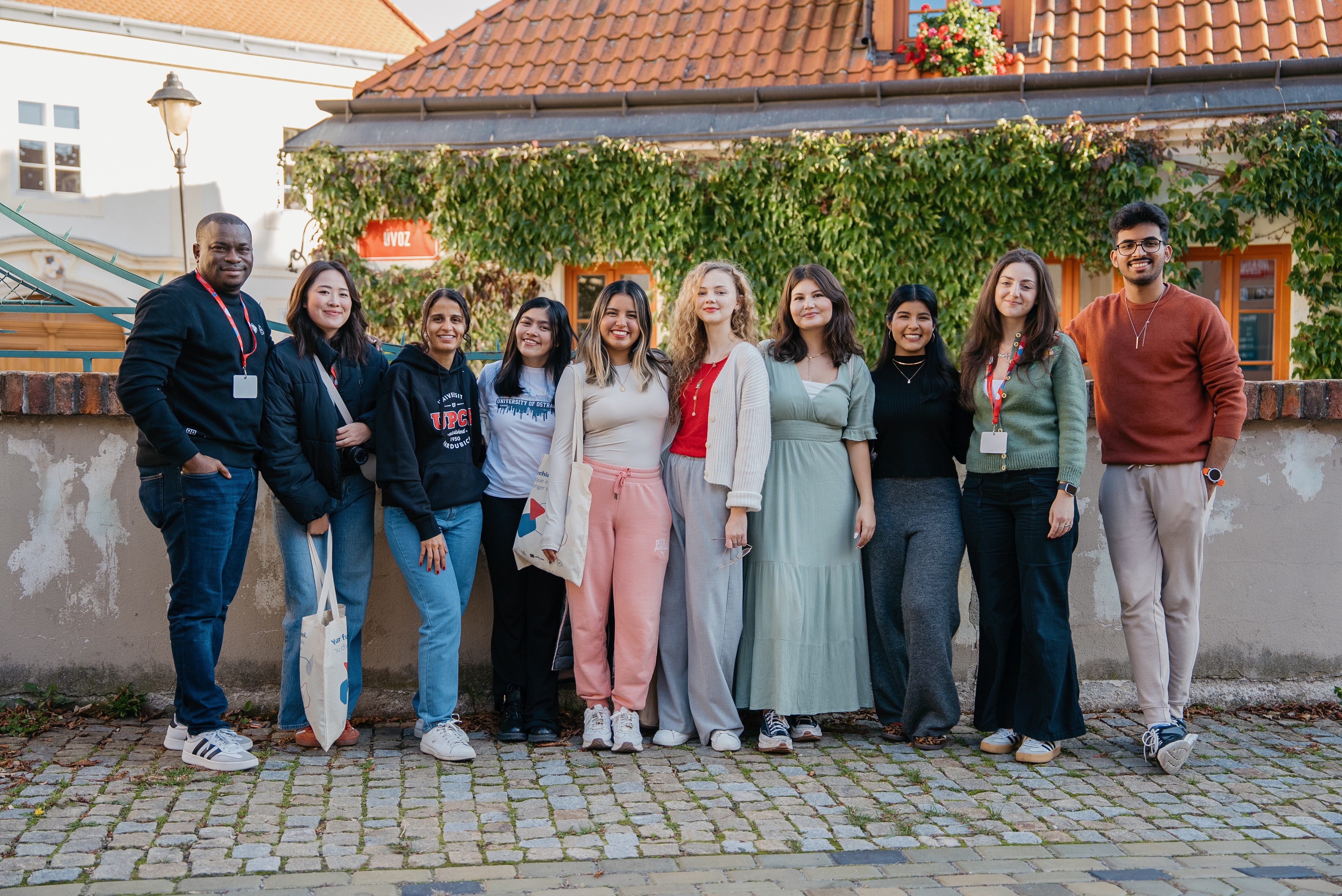
Meet the ones who are already here❤️
Safe, central and easy to explore
Studying abroad is a big step. Czechia gives you a safe and well-connected place to start. The country ranks 11th in the Global Peace Index 2025, which compares countries by levels of peacefulness, safety and conflict. Its central location also makes it easy to travel within the country and across Europe. Prague, Brno, Ostrava, Olomouc, Plzeň and other university cities offer different study environments, from large urban campuses to smaller academic communities.
Study. Work. Stay.
Many international students in Czechia work while studying. According to the reasearch at Czech universities in 2024, only 36% of respondents do not work at all during their studies. Almost one quarter work more than 20 hours per week, and another 18% work 10–20 hours per week. A part-time job can help you gain experience, improve your language skills, meet people and support your budget. Your studies should remain the main purpose of your stay, so it is important to choose work that fits your timetable and study load.
Czechia can also be a place to stay after graduation. 48% of international students plan to stay in Czechia after graduation for work or further study. Non-EU graduates may also apply for a long-term residence permit for the purpose of seeking employment or starting a business, valid for up to 9 months.

Work During Studies
Stay connected after graduation
Your connection with Czechia does not have to end when you graduate. Czechia Alumni is a national programme for international graduates of Czech higher education institutions. It helps alumni stay connected with Czechia, their universities and each other through networking, events, stories and career-related opportunities.

What to do Next
Start with the programme that fits your goals. Then check admission requirements, tuition fees, scholarships, recognition of previous education and practical steps before arrival.