 EN
EN


Studijní program Culture, Media and Performative Arts
Kontakt:
E-mail program-26286@mail.muni.cz
Masarykova univerzita - Filozofická fakulta
<p>New media, film, and theatre are central to today’s cultural and creative sectors. To understand them, we need to study not only their products, but also the institutions, industries, practices, histories, and audiences that shape them. The Bachelor’s programme in <i>Culture, Media and Performative Arts</i> offers precisely this perspective: an interdisciplinary education in culture, media, and performance, situated in the rich and dynamic context of Central Europe.</p><p>Studying in Brno, at Masaryk University, means studying between two major cultural centres, Prague and Vienna, while also becoming part of a vibrant university city with its own strong cultural, media, and artistic life. The programme draws on this Central European setting not as a background decoration, but as a living environment for studying cultural production, media practices, performative action, and social change.</p><p>The programme combines academic knowledge, research training, and practically oriented experience. You will develop critical literacy in relation to media and cultural production, learn to analyse film, theatre, media institutions, and audiences, and acquire basic skills in working with audiovisual technologies as research and communication tools. You will also be trained in methods of empirical research, especially ethnographically oriented fieldwork, and in academic and journalistic writing.</p><p>The programme is strongly interdisciplinary. You will be introduced to film and theatre studies, media and cultural studies, and social anthropology. You will gain a deeper understanding of the history and current state of film, theatre, media, and cultural institutions in Central Europe, while also learning how to investigate them through critical, historical, aesthetic, and social-science methods.</p><p>The programme draws on the expertise of several participating departments:</p><p> </p><ul> <li><span style="font-size: inherit">social anthropologists provide methodological training for empirical and ethnographic research;</span></li> <li><span style="font-size: inherit">media scholars and practitioners introduce students to media and communication theory and to the use of audiovisual technologies as research and creative tools;</span></li> <li><span style="font-size: inherit">theatre studies scholars focus on performative action in public and cultural space;</span></li> <li><span style="font-size: inherit">film studies scholars examine the aesthetic, historical, and institutional contexts of media production, distribution, and reception.</span></li> </ul><p> </p><p>As a graduate, you will be prepared either to continue in Master’s programmes in cultural studies, social anthropology, media studies, film and visual studies, theatre studies, or related fields, or to seek professional opportunities in cultural institutions, media organisations, festivals, NGOs, education, journalism, cultural management, and the creative industries.</p><p><strong>Is this programme right for you?</strong></p><p>This programme may be a good fit if you are interested in media, theatre, film, and culture more broadly; if you want to understand how cultural and media institutions work; if you are attracted by the cultural history and present-day diversity of Central Europe; if you want to combine theoretical knowledge with research and practical skills; and if you are considering further study or future work in media, culture, education, research, or the creative sector.</p>
Přihlášku podáš na https://is.muni.cz/prihlaska/. Vyber si ze seznamu aktuálně otevíraných studijních programů.
Studium je zpoplatněno částkou 76000 CZK za akademický rok.
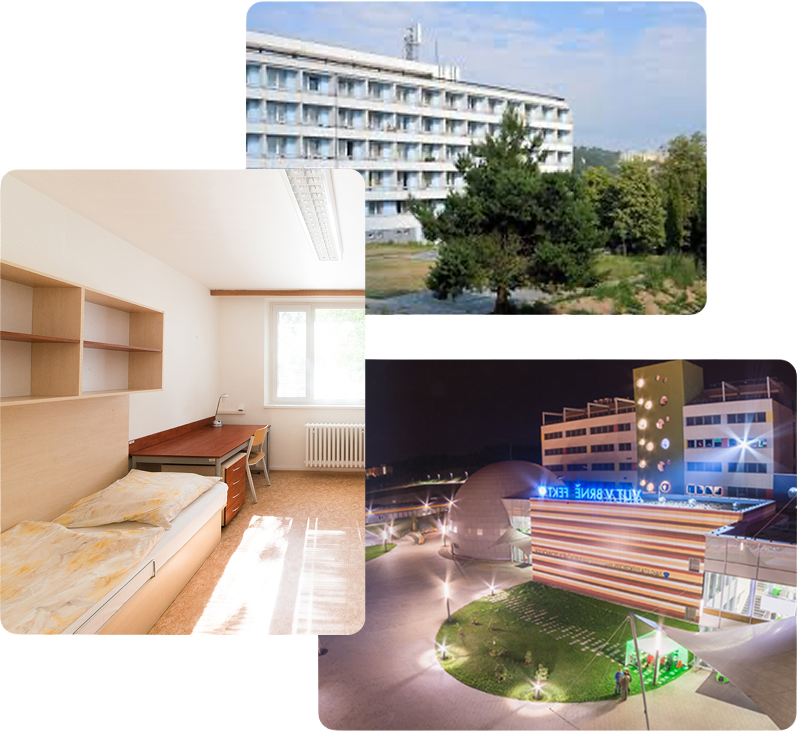
Masarykova univerzita (MUNI) je veřejná vysoká škola v Brně, založená v roce 1919 jako druhá česká univerzita. Dlouhodobě patří k největším a nejvýznamnějším vzdělávacím a výzkumným institucím v České republice. Na deseti fakultách a více než 200 pracovištích si můžeš vybírat ze široké nabídky studijních programů – od humanitních a společenských věd přes přírodní vědy až po medicínu nebo informatiku. MUNI vytváří a šíří poznání, rozvíjí vzdělávání, vědu a výzkum a přispívá ke zlepšování kvality života. Důraz klade také na společenskou odpovědnost a udržitelný rozvoj, které promítá do vzdělávání, výzkumu i provozu.
E-mail program-26286@mail.muni.cz
Žerotínovo nám. 617/9, 60177 Brno
Arna Nováka, 602 00 Brno
E-mail studijni@phil.muni.cz
Telefon +420 549 49 1111
<p>New media, film, and theatre are central to today’s cultural and creative sectors. To understand them, we need to study not only their products, but also the institutions, industries, practices, histories, and audiences that shape them. The Bachelor’s programme in <i>Culture, Media and Performative Arts</i> offers precisely this perspective: an interdisciplinary education in culture, media, and performance, situated in the rich and dynamic context of Central Europe.</p><p>Studying in Brno, at Masaryk University, means studying between two major cultural centres, Prague and Vienna, while also becoming part of a vibrant university city with its own strong cultural, media, and artistic life. The programme draws on this Central European setting not as a background decoration, but as a living environment for studying cultural production, media practices, performative action, and social change.</p><p>The programme combines academic knowledge, research training, and practically oriented experience. You will develop critical literacy in relation to media and cultural production, learn to analyse film, theatre, media institutions, and audiences, and acquire basic skills in working with audiovisual technologies as research and communication tools. You will also be trained in methods of empirical research, especially ethnographically oriented fieldwork, and in academic and journalistic writing.</p><p>The programme is strongly interdisciplinary. You will be introduced to film and theatre studies, media and cultural studies, and social anthropology. You will gain a deeper understanding of the history and current state of film, theatre, media, and cultural institutions in Central Europe, while also learning how to investigate them through critical, historical, aesthetic, and social-science methods.</p><p>The programme draws on the expertise of several participating departments:</p><p> </p><ul> <li><span style="font-size: inherit">social anthropologists provide methodological training for empirical and ethnographic research;</span></li> <li><span style="font-size: inherit">media scholars and practitioners introduce students to media and communication theory and to the use of audiovisual technologies as research and creative tools;</span></li> <li><span style="font-size: inherit">theatre studies scholars focus on performative action in public and cultural space;</span></li> <li><span style="font-size: inherit">film studies scholars examine the aesthetic, historical, and institutional contexts of media production, distribution, and reception.</span></li> </ul><p> </p><p>As a graduate, you will be prepared either to continue in Master’s programmes in cultural studies, social anthropology, media studies, film and visual studies, theatre studies, or related fields, or to seek professional opportunities in cultural institutions, media organisations, festivals, NGOs, education, journalism, cultural management, and the creative industries.</p><p><strong>Is this programme right for you?</strong></p><p>This programme may be a good fit if you are interested in media, theatre, film, and culture more broadly; if you want to understand how cultural and media institutions work; if you are attracted by the cultural history and present-day diversity of Central Europe; if you want to combine theoretical knowledge with research and practical skills; and if you are considering further study or future work in media, culture, education, research, or the creative sector.</p>
Přihlášku podáš na https://is.muni.cz/prihlaska/. Vyber si ze seznamu aktuálně otevíraných studijních programů.
Studium je zpoplatněno částkou 76000 CZK za akademický rok.
Masarykova univerzita (MUNI) je veřejná vysoká škola v Brně, založená v roce 1919 jako druhá česká univerzita. Dlouhodobě patří k největším a nejvýznamnějším vzdělávacím a výzkumným institucím v České republice. Na deseti fakultách a více než 200 pracovištích si můžeš vybírat ze široké nabídky studijních programů – od humanitních a společenských věd přes přírodní vědy až po medicínu nebo informatiku. MUNI vytváří a šíří poznání, rozvíjí vzdělávání, vědu a výzkum a přispívá ke zlepšování kvality života. Důraz klade také na společenskou odpovědnost a udržitelný rozvoj, které promítá do vzdělávání, výzkumu i provozu.
E-mail program-26286@mail.muni.cz
Žerotínovo nám. 617/9, 60177 Brno
Arna Nováka, 602 00 Brno
E-mail studijni@phil.muni.cz
Telefon +420 549 49 1111
Prozkoumejte nabídku podobných programů